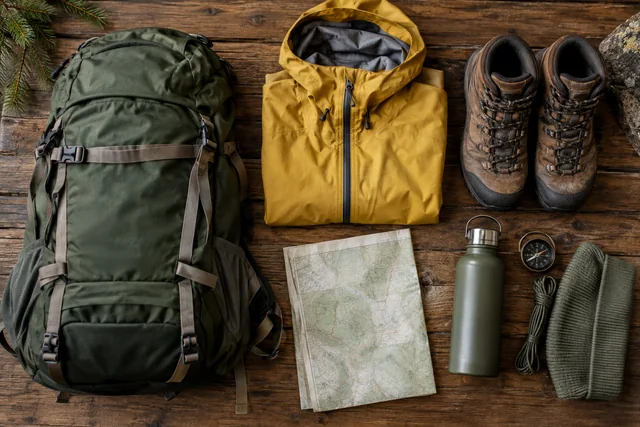
Pack a day bag around decisions, not gadgets
A day bag should support the route, conditions and people carrying it. Start by identifying what you need to stay oriented, comfortable and prepared for foreseeable changes rather than collecting equipment because it looks useful in isolation.
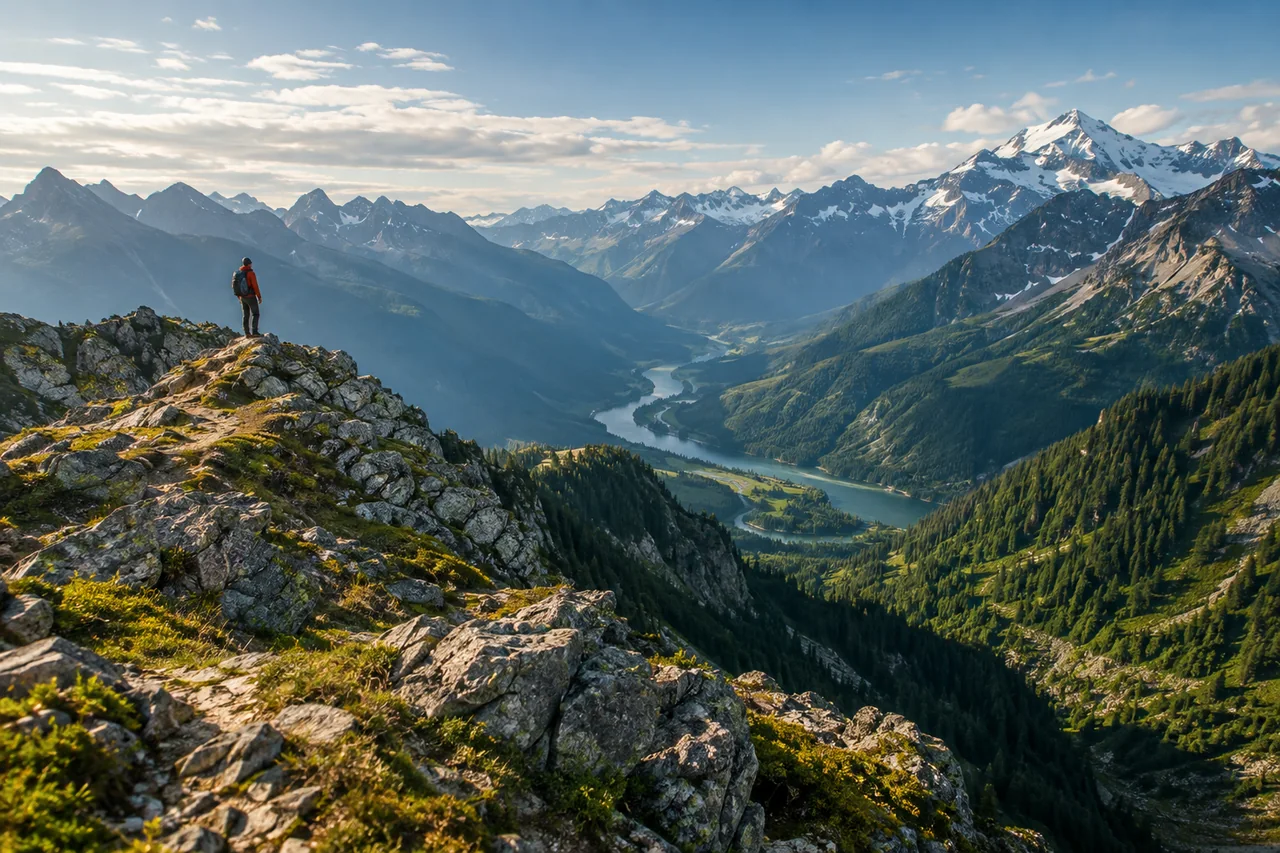
Match the route and season
Use reliable local advice to understand the terrain and likely conditions. Choose suitable layers, water, food, navigation and safety equipment for the actual outing. Learn how to use the equipment before relying on it. The contents of a bag are not a substitute for the skills and judgement a route may require.
Put frequent items within reach
Arrange the bag so you can access water, a layer and navigation without emptying it onto the ground. Protect items that need to stay dry with suitable storage. Distribute weight comfortably and check the fit while the bag is loaded. A careful arrangement reduces the temptation to skip a useful stop because something is difficult to reach.
Review after returning
Note what you used, what you needed and what was unnecessary for that particular trip. Dry and inspect equipment before storing it. Keep essential contingency items even if a routine outing did not require them, and adjust future packing to the next route rather than treating one successful day as a universal formula.